The Psychic House: Memory and Domestic Space in Photographic Practice
Text: Sofus Ravn
The houses in which childhood unfolds rarely disappear entirely. Even after they are physically left behind, they often persist as internal structures composed of fragments of memory: the angle of a staircase, the atmosphere of a dim hallway, the sound of a door closing somewhere in the distance. These recollections rarely remain stable. Certain details become intensified while others gradually disappear. What remains is not the house itself but an internal architecture shaped by memory, emotion, and time.
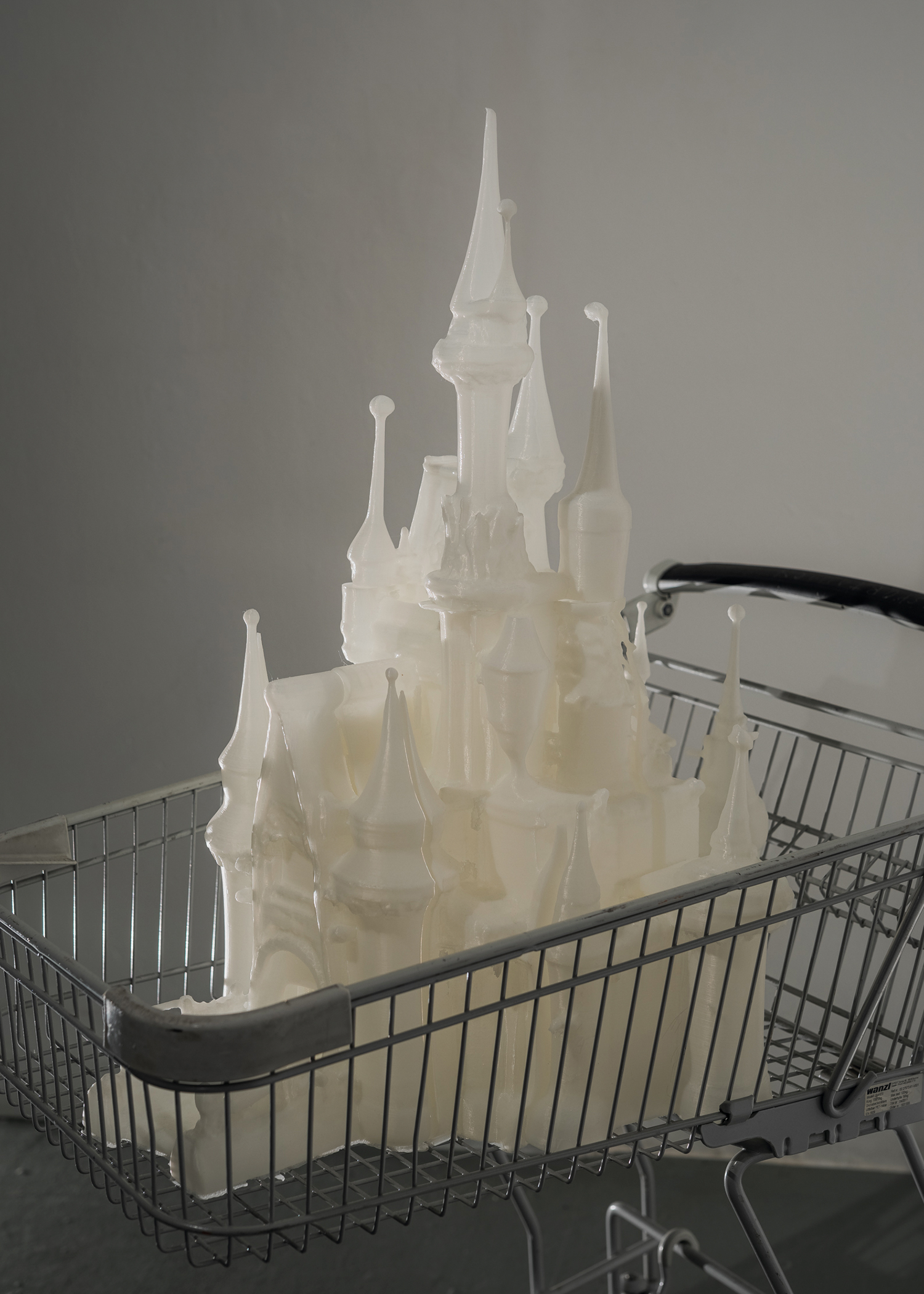
Within artistic practices concerned with memory and domestic space, the house frequently appears less as a physical site than as a psychological one. Rather than functioning solely as a location that can be documented or represented, the childhood home often operates as a conceptual framework through which personal histories and emotional experiences are organised. The domestic interior therefore becomes a structure through which artists investigate how memory transforms space long after it has been physically abandoned. This text argues that photography does not simply preserve that domestic past, but actively reconstructs it as a psychic space.
The French philosopher Gaston Bachelard describes the house as one of the most significant sites through which memory and imagination are formed. In The Poetics of Space, he suggests that the house functions as a ‘topography of our intimate being’, where lived experience accumulates within rooms, corners, staircases, and hidden spaces. Domestic architecture therefore exceeds its practical function as shelter and becomes a repository of psychological experience. Memory does not preserve the house in a fixed form; instead it continuously reshapes it through recollection and imagination. In photographic practice, this process becomes visible, as the childhood home re-emerges not simply as a remembered place, but as a constructed psychic structure.
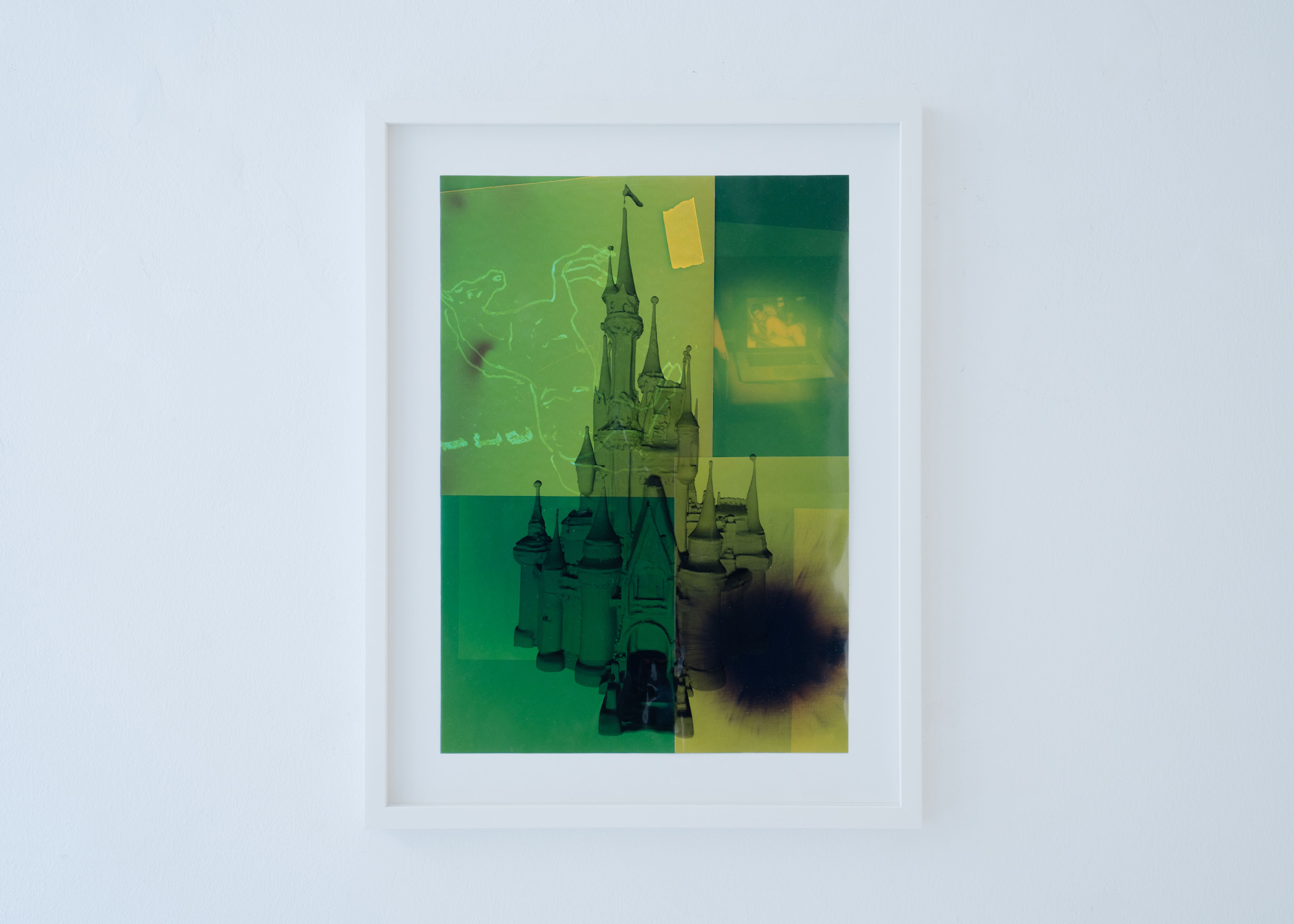
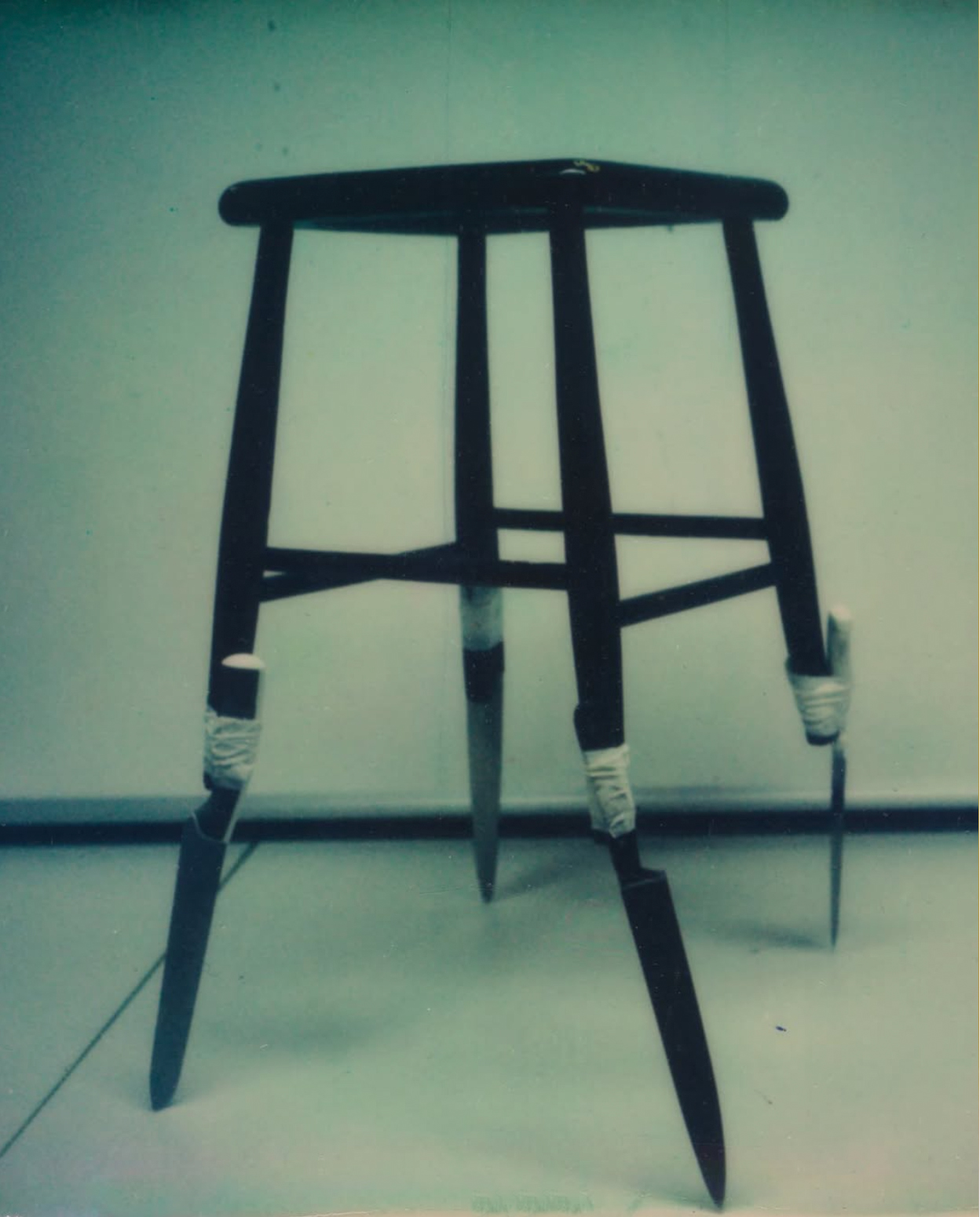
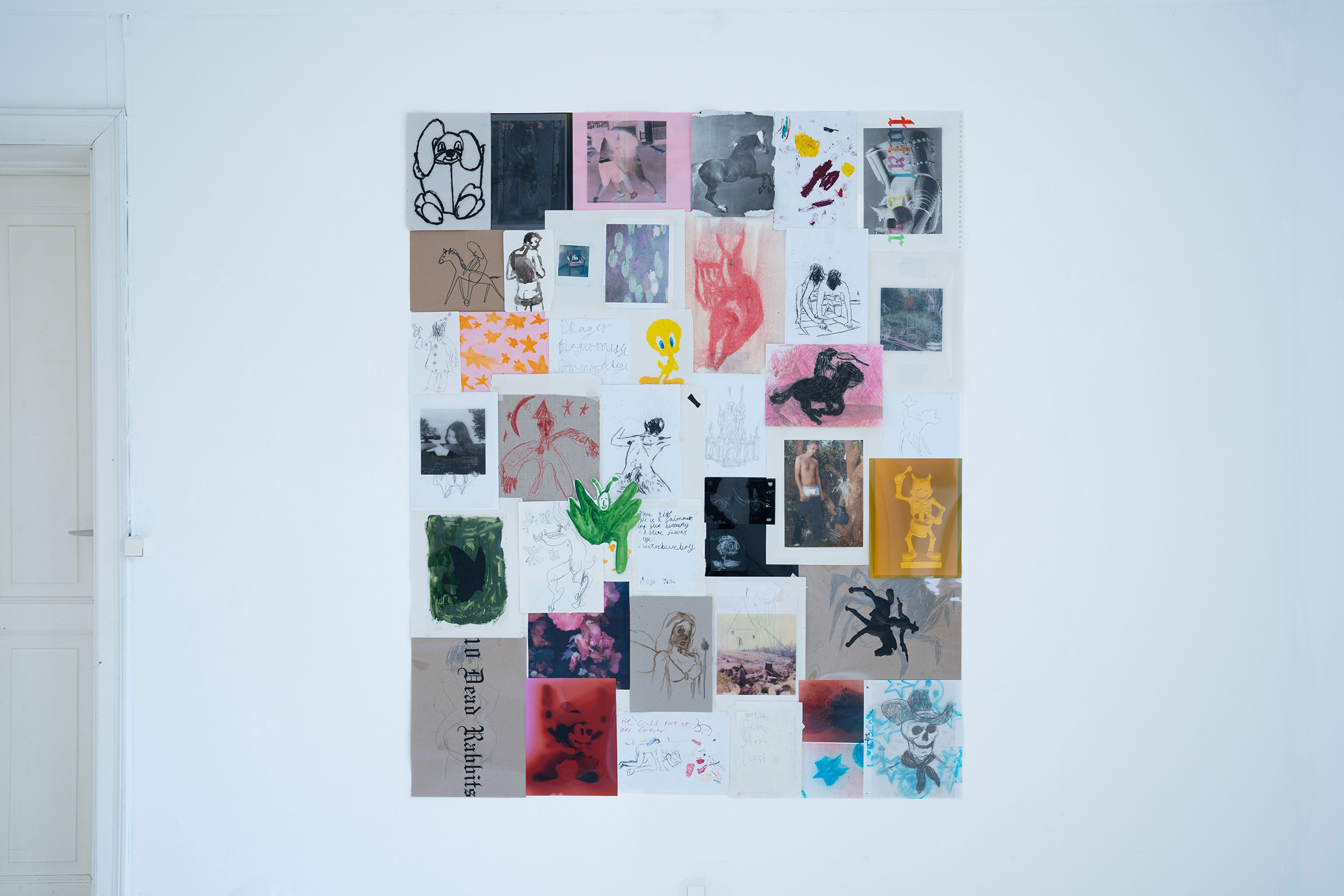
Photography is central within this framework. While the medium is often associated with documentation and visual evidence, many artists have used photography to explore the instability of memory rather than its preservation. Photographs do not simply record the past but participate in its reconstruction. Through staging, repetition, or material transformation, photographic practices can revisit spaces that no longer exist in the same form.
The domestic interior frequently appears within such explorations. Bedrooms, kitchens, and corridors carry particular emotional significance because they are closely tied to everyday routines and relationships. Over time these environments accumulate layers of personal meaning that extend beyond their architectural structure. The familiarity of domestic space may therefore shift into something ambiguous or unsettling when revisited through memory or artistic representation. In photography, these environments often return not merely as settings, but as carriers of memory and psychic residue, shaped as much by emotion as by visual appearance.
This transformation resonates with Sigmund Freud’s concept of the uncanny, described in his essay Das Unheimliche (1919). Freud characterises the uncanny as a moment in which something previously familiar returns in an altered or unsettling form. The home itself becomes a particularly potent site for such experiences. Spaces originally associated with safety and intimacy may later appear strange or disorienting when recalled through memory or reconstructed through representation.
Many artists have explored these psychological dimensions of domestic space. Louise Bourgeois repeatedly returned to the house as both an architectural form and a symbolic structure. Her sculptural environments frequently transform domestic elements into fragmented or distorted forms, reflecting the emotional intensity associated with childhood experience. Similarly, the work of Mike Kelley investigates how domestic environments become charged with unresolved personal histories, often reconstructing familiar objects or spaces in ways that expose the instability of memory. These examples suggest how domestic space becomes less a stable setting than a site of psychic tension, where memory, emotion, and reconstruction intersect.
Photographic artists have also examined the domestic interior as a site where memory, fiction, and reconstruction converge. Jeff Wall’s large-scale photographic tableaux often stage scenes that appear familiar yet subtly ambiguous, suggesting the constructed nature of everyday environments. Sophie Calle’s work similarly engages with personal spaces, using documentation and narrative to blur the boundary between lived experience and artistic reconstruction. Through such practices, domestic space emerges not as a fixed reality but as a conceptual terrain shaped through photographic mediation.
Photography offers a particularly flexible medium for examining these conditions. Because it functions simultaneously as image, object, and process, photography allows artists to move between documentation and construction. Domestic space can therefore be approached not only through representation but also through symbolic gestures, staged environments, or material interventions that evoke the emotional logic of remembered places.
The persistence of the childhood home within artistic practice may relate to the formative role that early environments play in shaping spatial perception. Long before encounters with institutional spaces such as museums or galleries, individuals move through rooms, corridors, and thresholds that structure their earliest experiences of space. These environments quietly establish spatial and emotional frameworks that continue to influence artistic thinking long after they have been physically left behind. This may explain why the childhood home returns so insistently in photographic practice: not simply as a motif, but as a structure of perception.
Photography, with its capacity to shift between documentation and imagination, provides a particularly effective means of examining these frameworks. Rather than stabilising the past, photographic practice can reveal how memory continuously reshapes the spaces that once defined it. Within this context, the childhood home persists not as a fixed location but as a psychic structure, an internal architecture that continues to re-emerge through images, materials, and artistic gestures.
Reference List
Bachelard, Gaston, The Poetics of Space, trans. Maria Jolas (Boston: Beacon Press, 1994).
Calle, Sophie, M’as-tu vue (Munich: Prestel, 2003).
Freud, Sigmund, ‘The Uncanny’, in The Standard Edition of the Complete Psychological Works of Sigmund Freud, vol. XVII, trans. James Strachey (London: Hogarth Press, 1955), pp. 217–256.
Nixon, Mignon, Fantastic Reality: Louise Bourgeois and a Story of Modern Art (Cambridge, MA: MIT Press, 2005).
Wall, Jeff, ‘Marks of Indifference: Aspects of Photography in, or as, Conceptual Art’, in Jeff Wall: Selected Essays and Interviews (New York: Museum of Modern Art, 2007).
Welchman, John C. (ed.), Mike Kelley (London: Phaidon Press, 1999).
Swipe or Click to View the Gallery