The part of us which appears
Many of the objects that the magpies ultimately gathered came from what was known as The Three Disasters: Divorce, Debt, or most commonly, Death. The objects were photographed in front of a white background using studio flashes, listed online, bought and shipped to new homes. I did not know the stories behind the objects. I only knew that the moment I photographed them, their previous context would crumble and transform into a new one. Still, small signs served as hints of their previous lives: stains from coffee on a sofa, or of sweat on the collar of a coat, smells of cigar from an armchair, or of urine, straws of cat hair on a carpet, rings from a glass of water on a table. I photographed old toothbrushes and hairbrushes made out of silver, nibbed porcelain, dolls with bended arms, and piles of books with sentences underlined. The line of objects waiting to be pictured only grew.
One afternoon I opened the drawer of a cabinet and found a small, sepia-toned photograph which fitted inside the palm of my hand. It pictured a man dressed in a flat hat, a dark coat and heavy boots. His arms were folded behind his back and his eyes fixed on the camera. Next to him, and which made him appear very small, hung a dead moose upside down, strapped to a rope. The crown of the animal touched the dirt. Behind the two of them was a wooden cottage. Nothing was written on the back of the photograph. Looking around to make sure that none of the magpies were watching me, I hastily put it in my wallet.
In the years that followed I would now and then pick up the photograph from my wallet and look at it. The three components, the man, the moose and the cottage, provided me with a mystery. I assumed, because of the old nature of the print, that the man had passed away. I wondered who he had been, where he came from, if someone missed him. The edges of the photograph became bent and curled and I imagined him to be a relative, that an intimate bond existed between us. More time went by, and, eventually, my wallet was stolen at a bar. The moose-man found himself with another thief, or in a trash can. I quietly mourned him.
***
Art critic Brian Dillon uses the word affinity to identify how and why certain objects, people and places unexpectedly move us. He describes it as an ”urge towards something (or someone) unlike us”¹, and like ”a crush, it tends to mark one out for the moment as faintly mad. The one who feels an affinity embraces knowingly, eagerly, his or her own madness and stupidity.”² This echoes a sentiment found in Virginia Woolf’s novel Mrs. Dalloway. In a specific paragraph the protagonist Clarissa Dalloway sits on a bus going up Shaftesbury Avenue in London. She watches people pass by through the window and reflects on how momentary relations are, how you ”met someone every day; then not for six months, or years”³. However, she takes comfort in the unexpected bonds she experiences with the world around her:
Odd affinities she had with people she had never spoken to, some woman in the street, some man behind a counter – even trees, or barns. It ended in a transcendental theory which, with her horror of death, allowed her to believe, or say that she believed (for all her scepticism) that since our apparitions, the part of us which appears, are so momentary compared with the other, the unseen part of us, which spreads wide, the unseen might survive, be recovered somehow attached to this person or that, or even haunting certain places, after death. Perhaps – perhaps.⁴
Here, and similar to Dillon’s definition, affinities signifies intimate bonds to strangers or unknown things. The objects I were surrounded by when working in the auction house, and the traces they carried, connected me to people I had never known. When finding the sepia-toned photograph, I felt an affinity to the man depicted on it, even though I could not put my finger on why. Perhaps one reason for its attraction stemmed from failing to fully understand what it was doing to me.
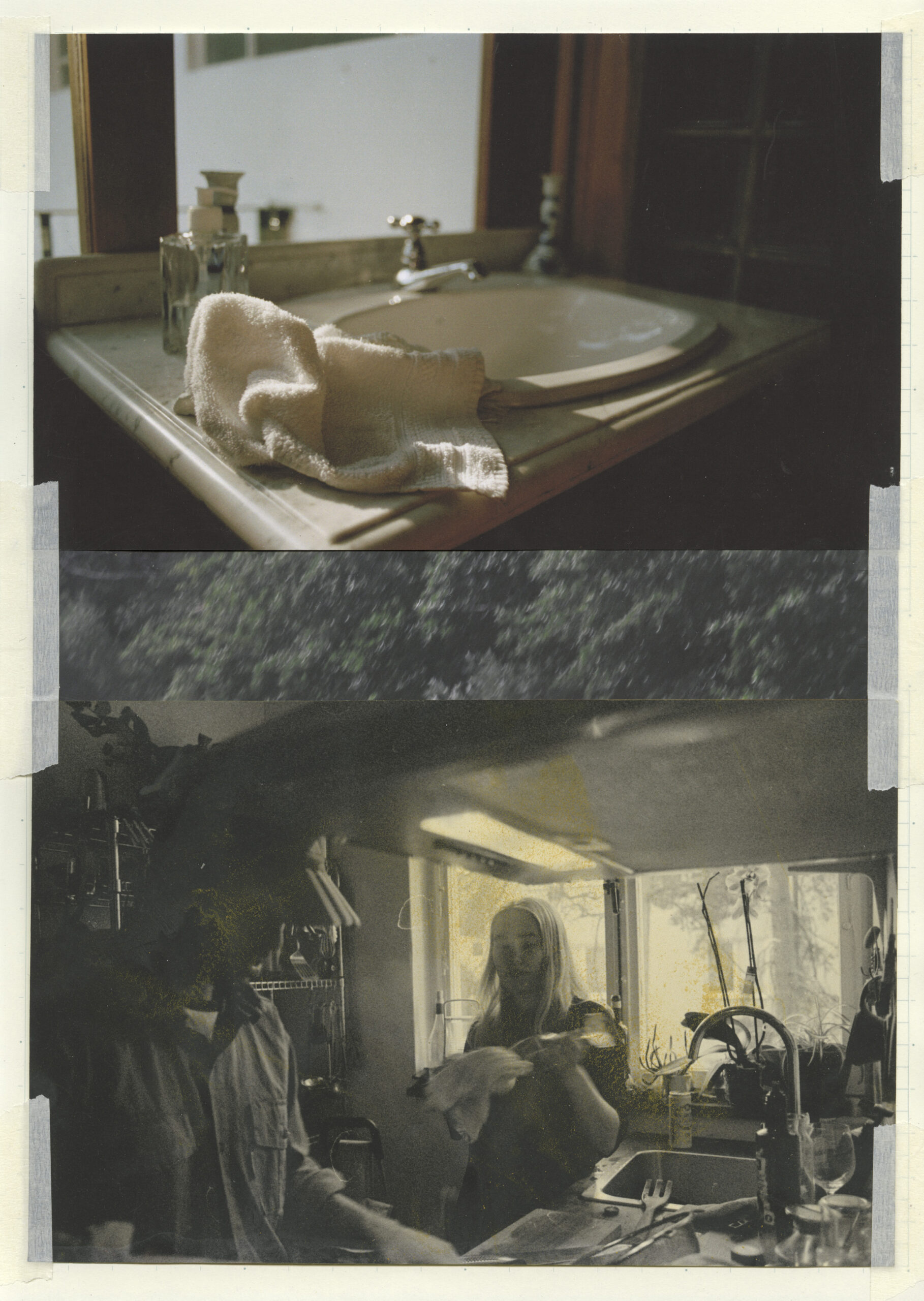
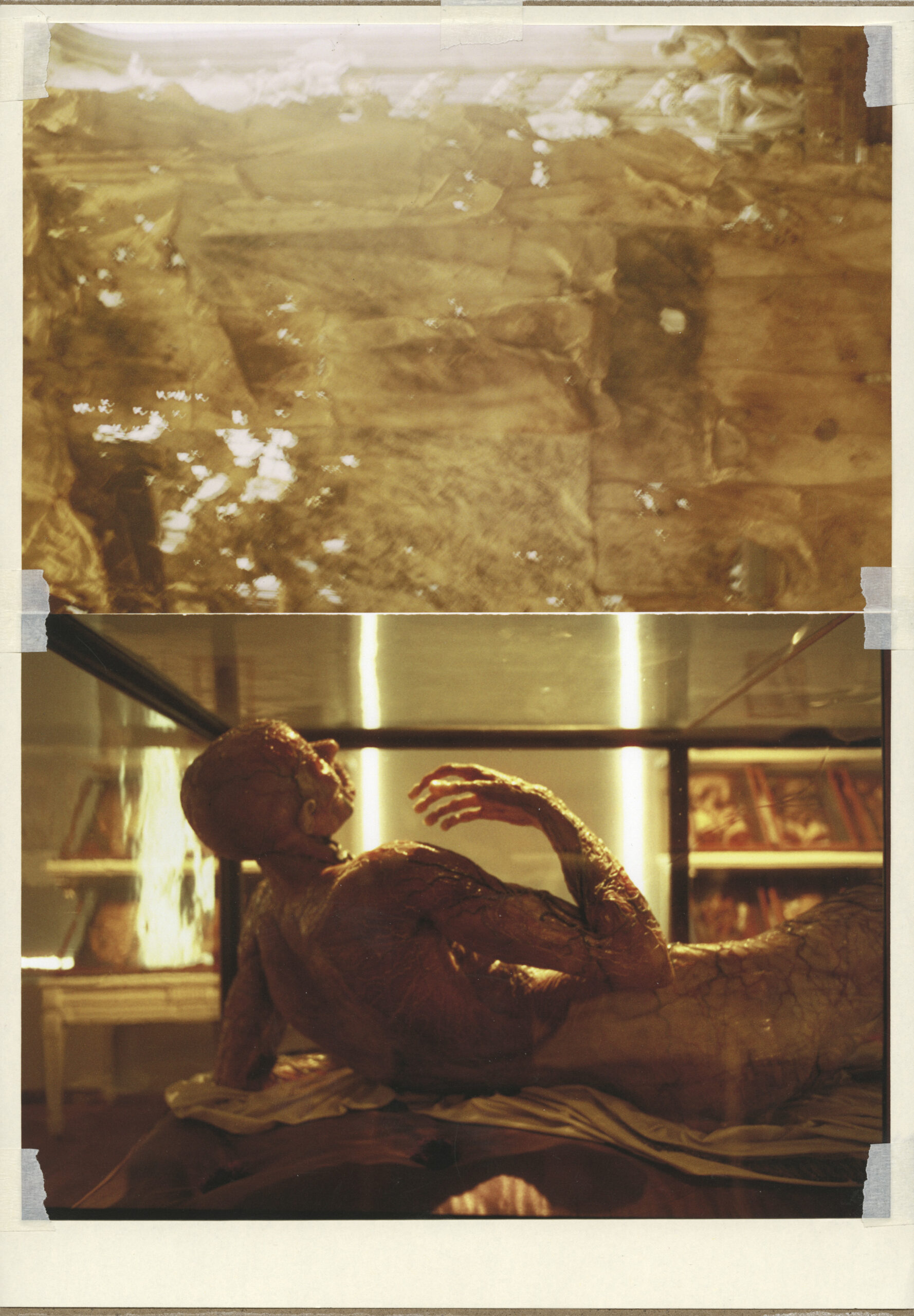
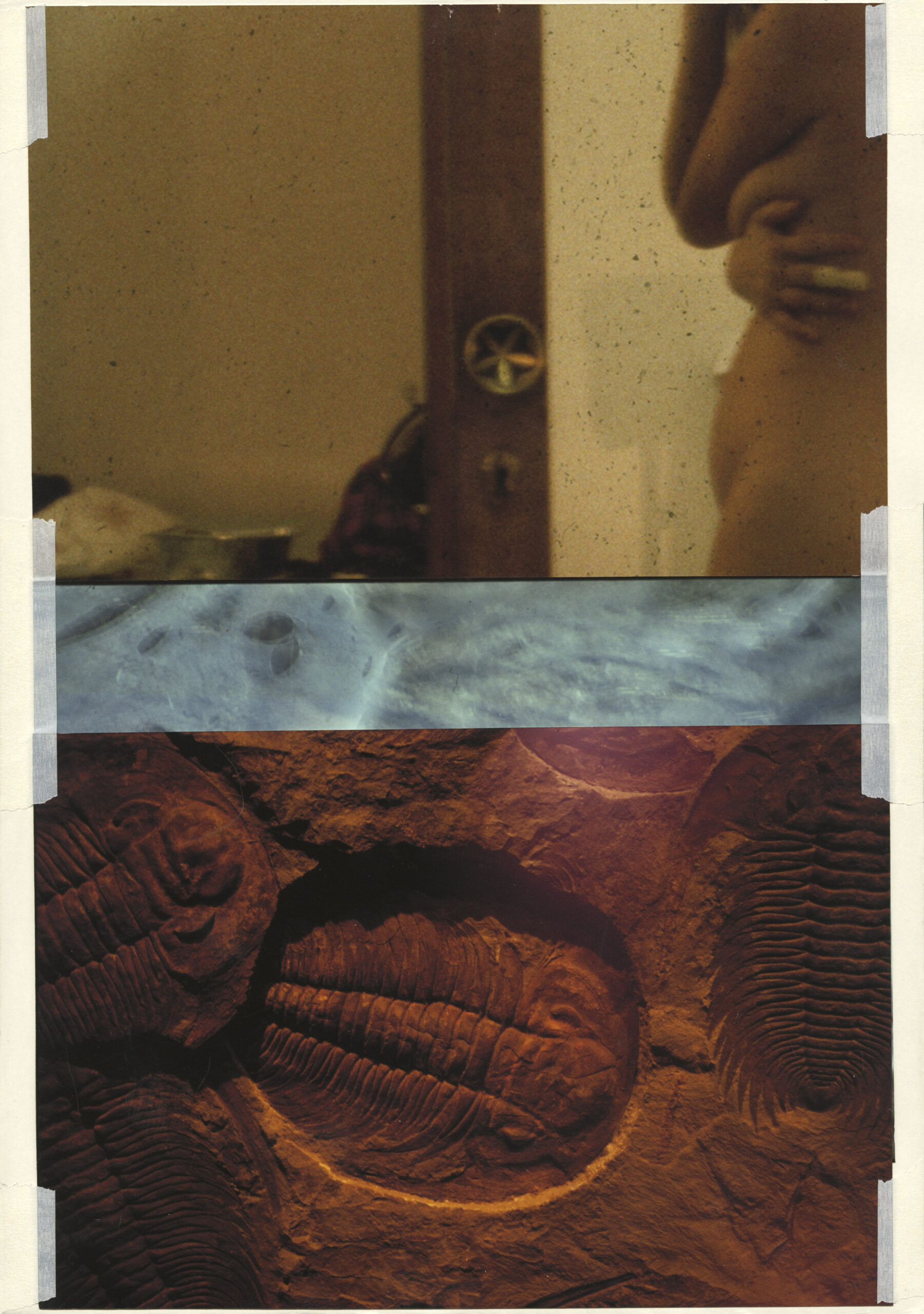
These affinities, and the imagination and curiosity they hold, can be explored further by working with photographic collages. When combining photographs from different situations, bonds are made between things that at first glance does not seem to belong together. This process of establishing and playing with connections becomes a way to make invisible ties visible, to unite what is otherwise divided. In other words, the patchwork nature of collages can activate you to think things united. Perhaps it is precisely this Clarissa Dalloway urges us to, sitting on the bus going up Shaftesbury Avenue: to think ourselves connected to the world around us, to hold a photograph of an unknown man in the palm of our hand and ponder who he might have been.