Who is this we that is not me? On involution and the unrealised image
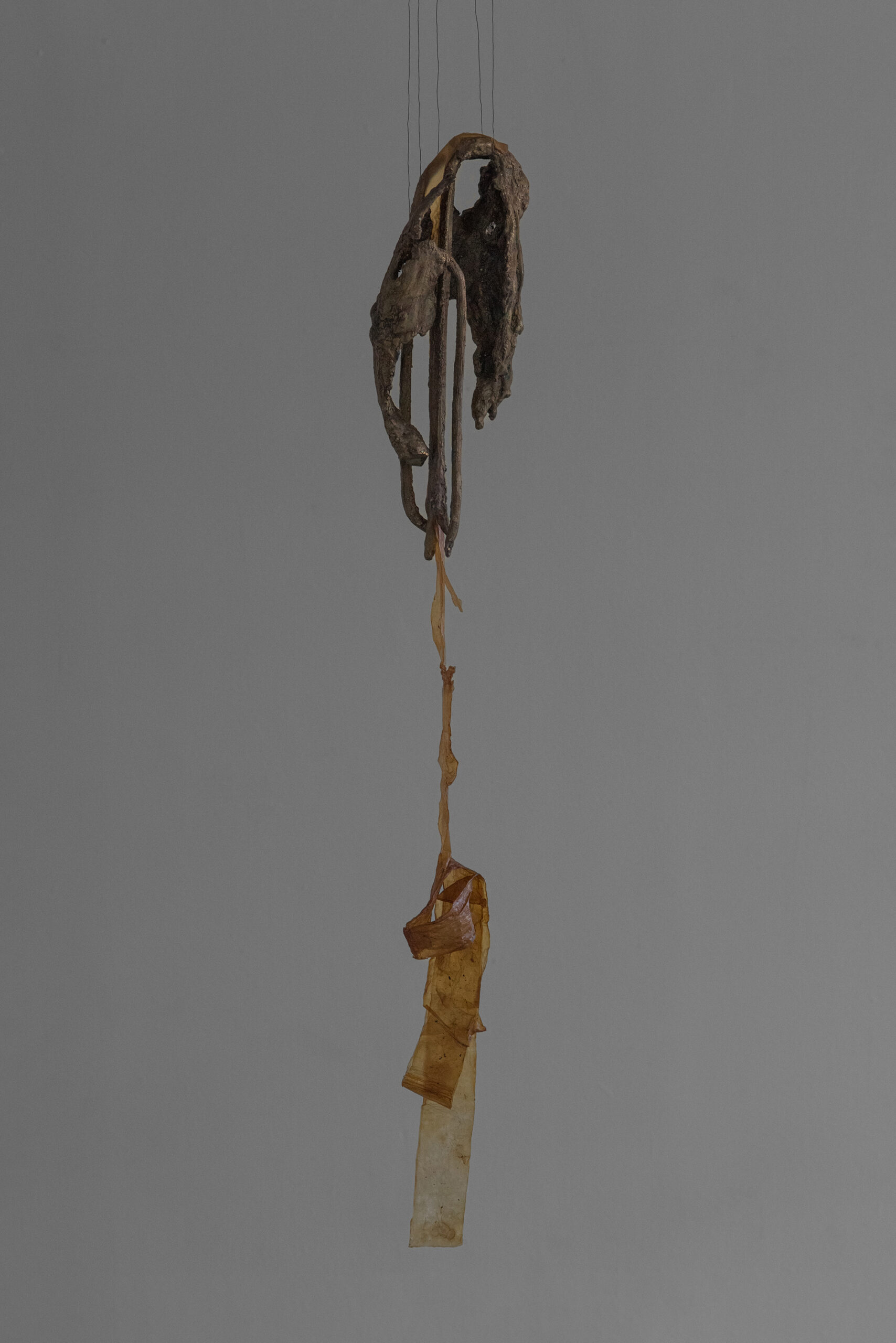
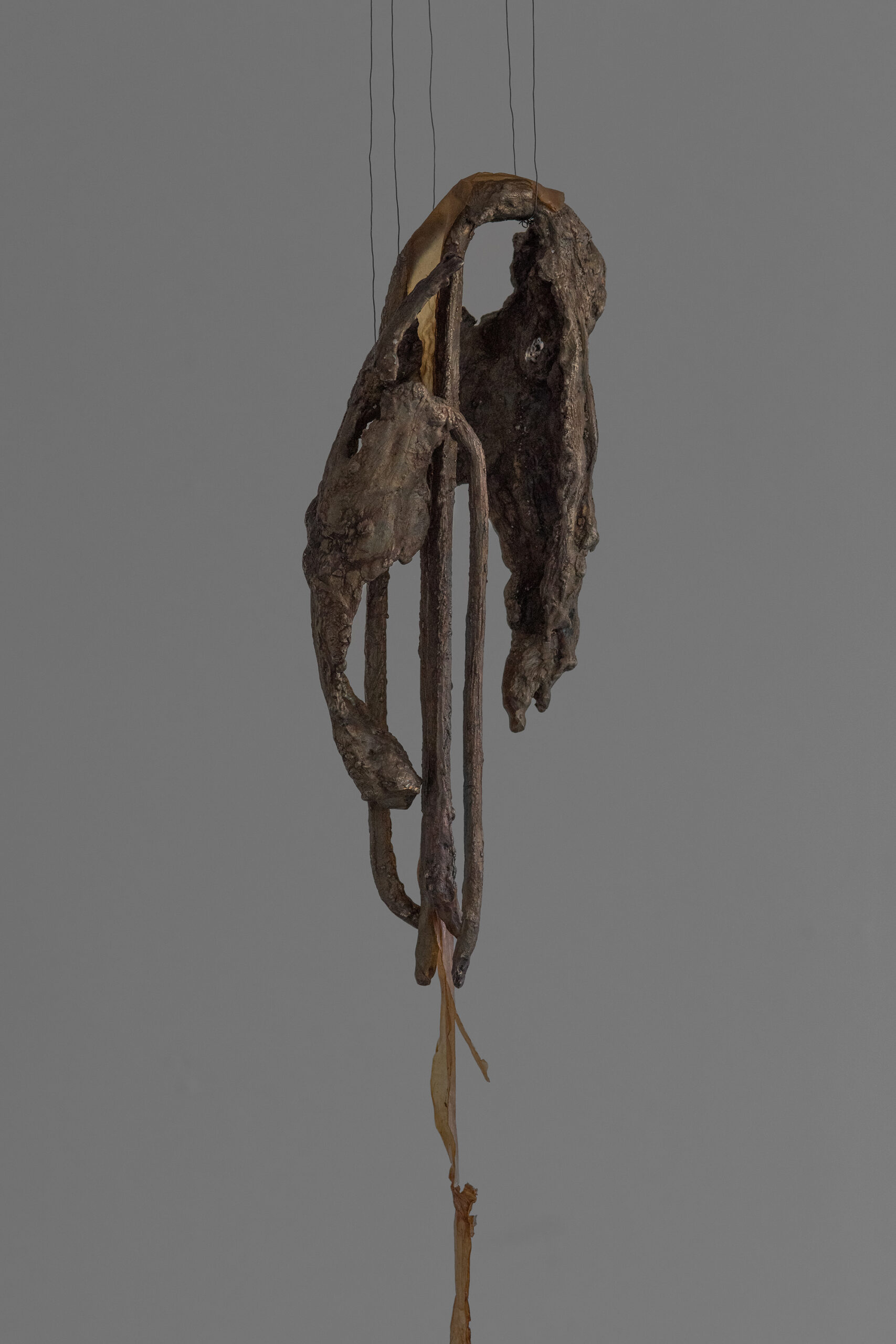
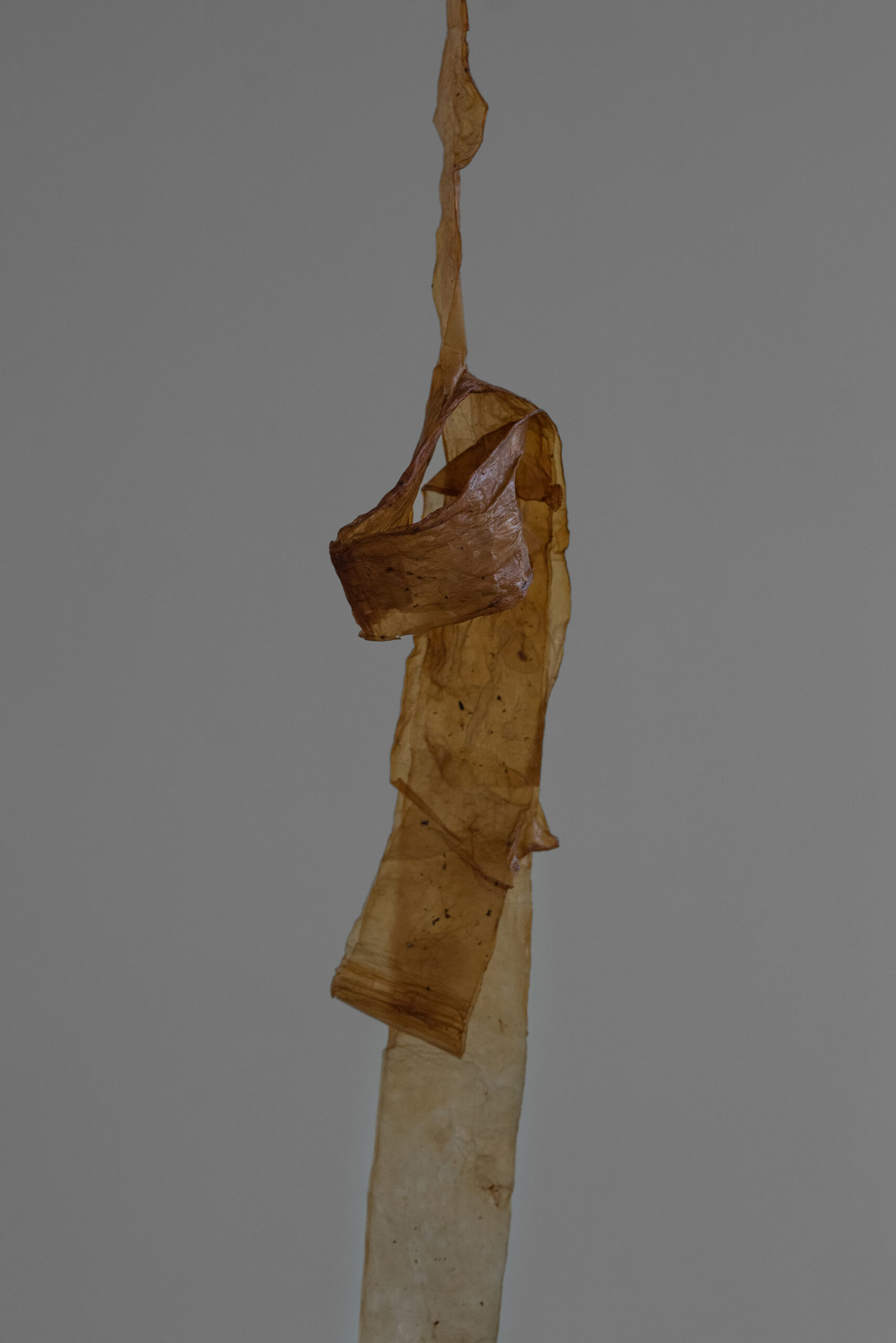
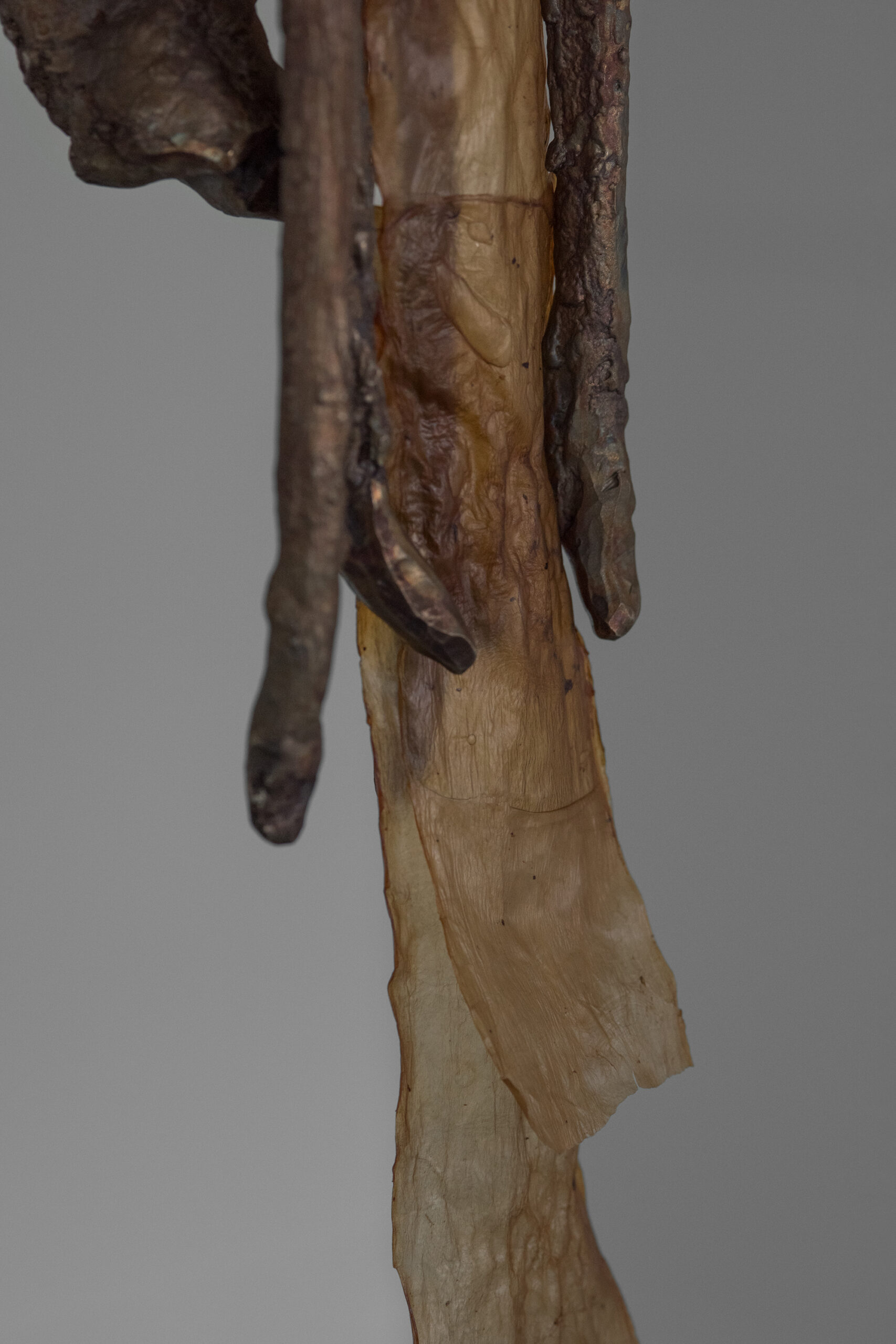
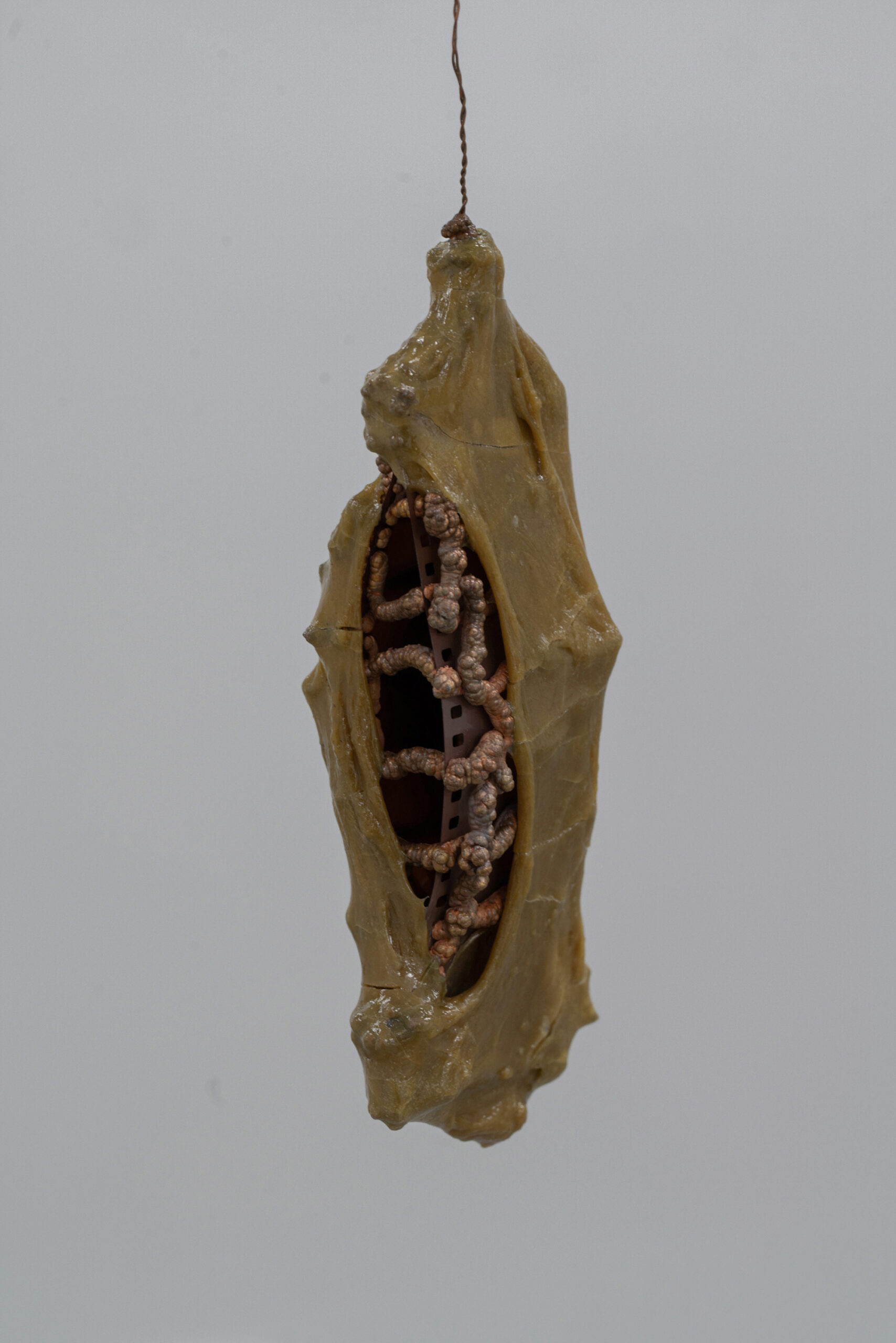
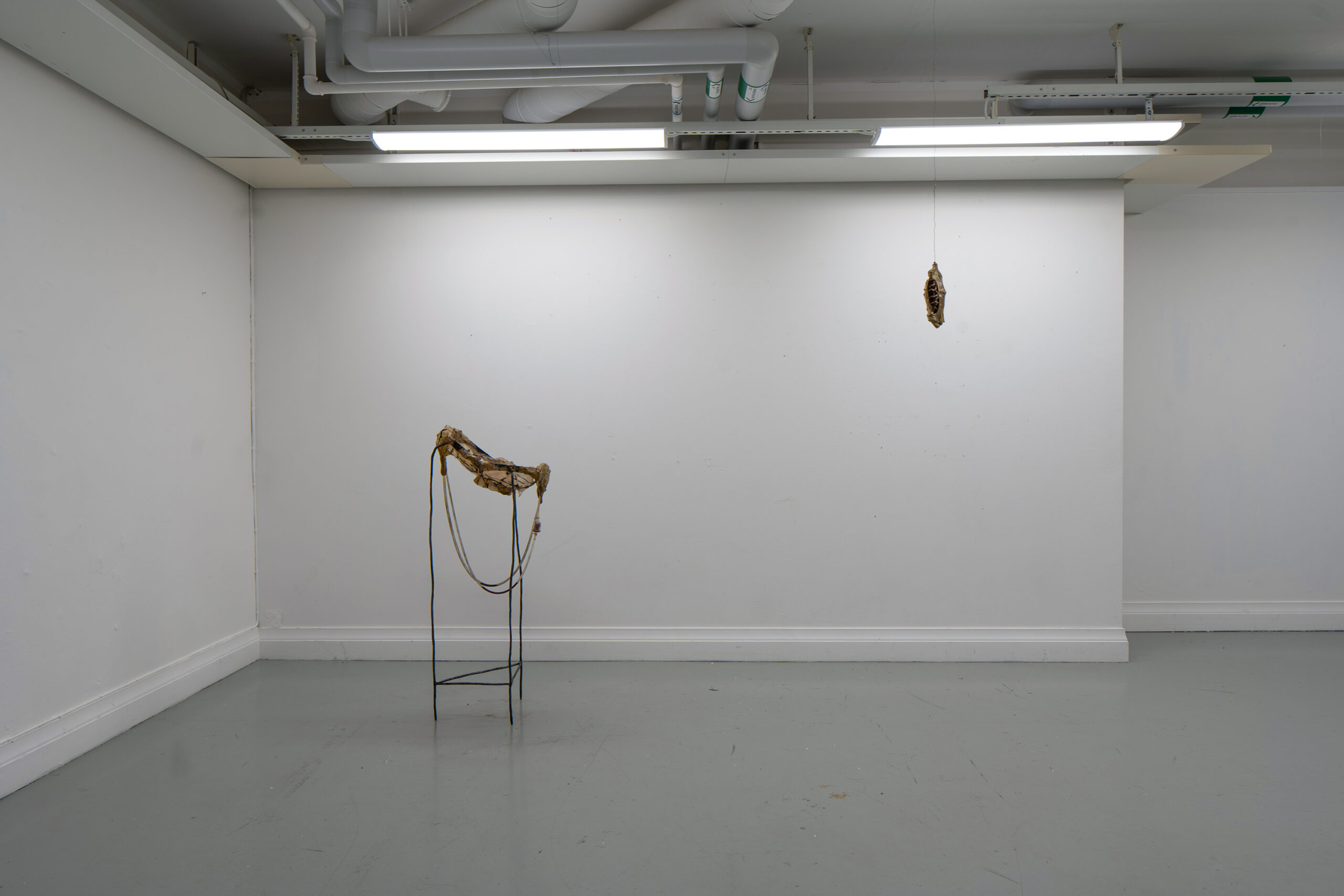
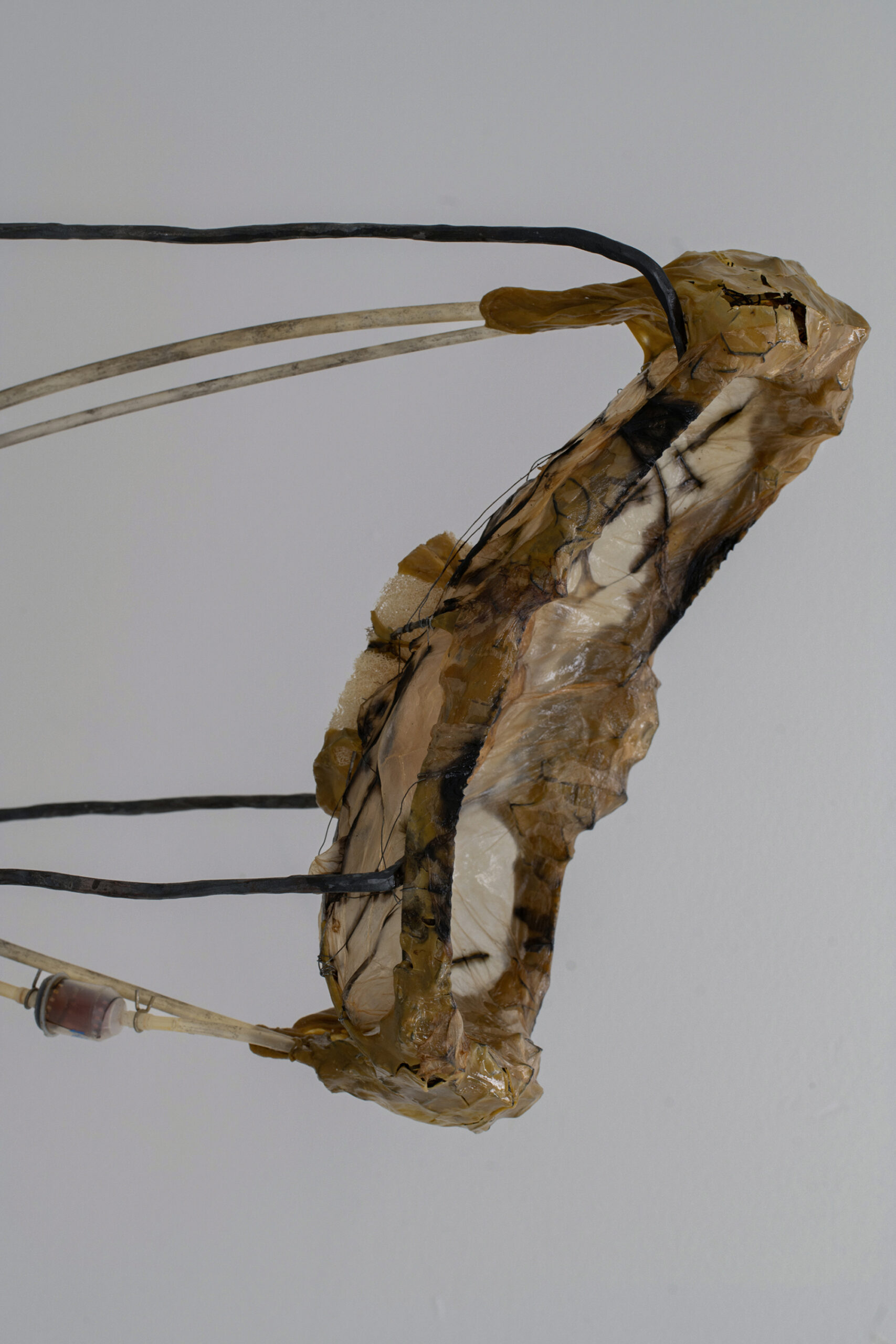
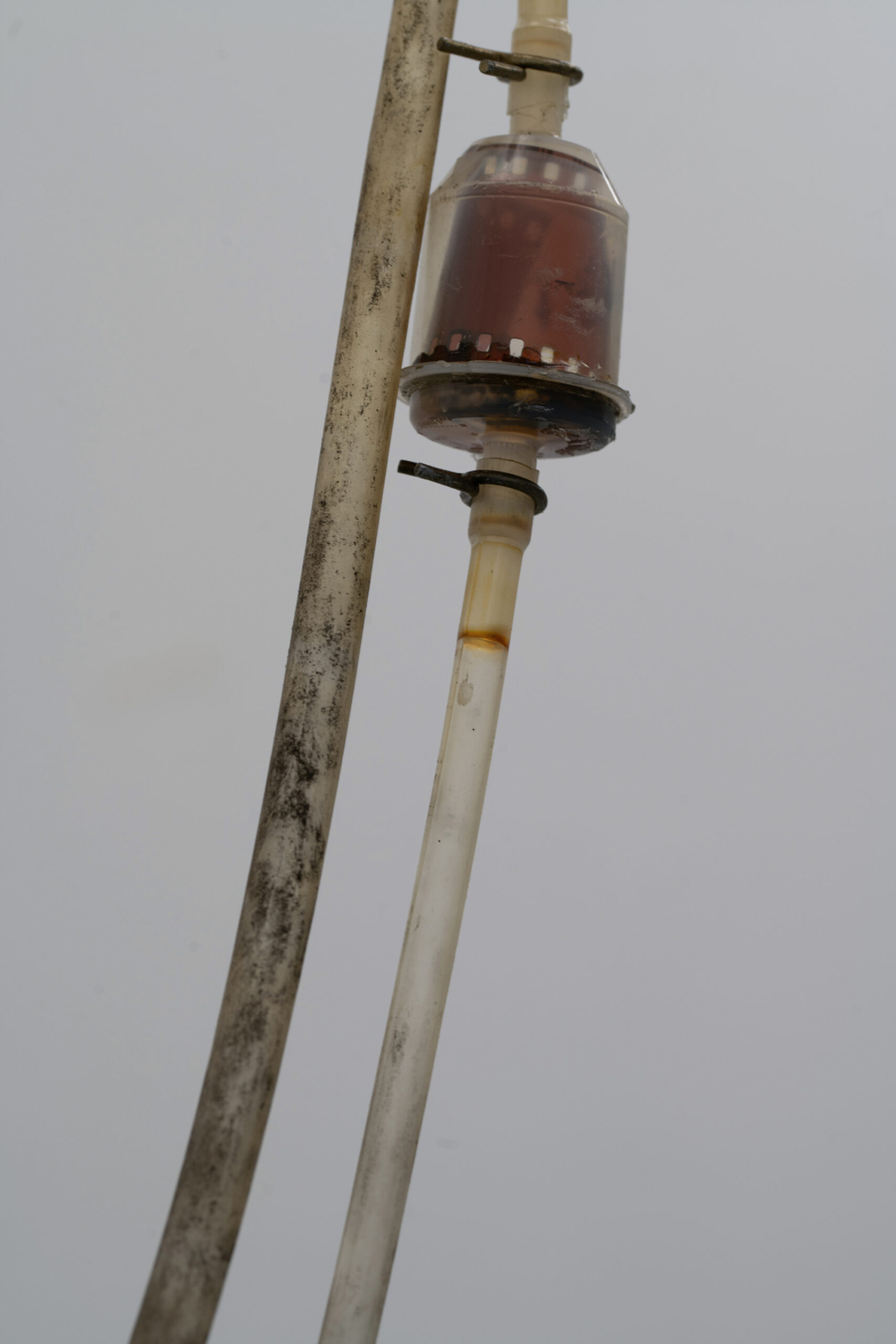
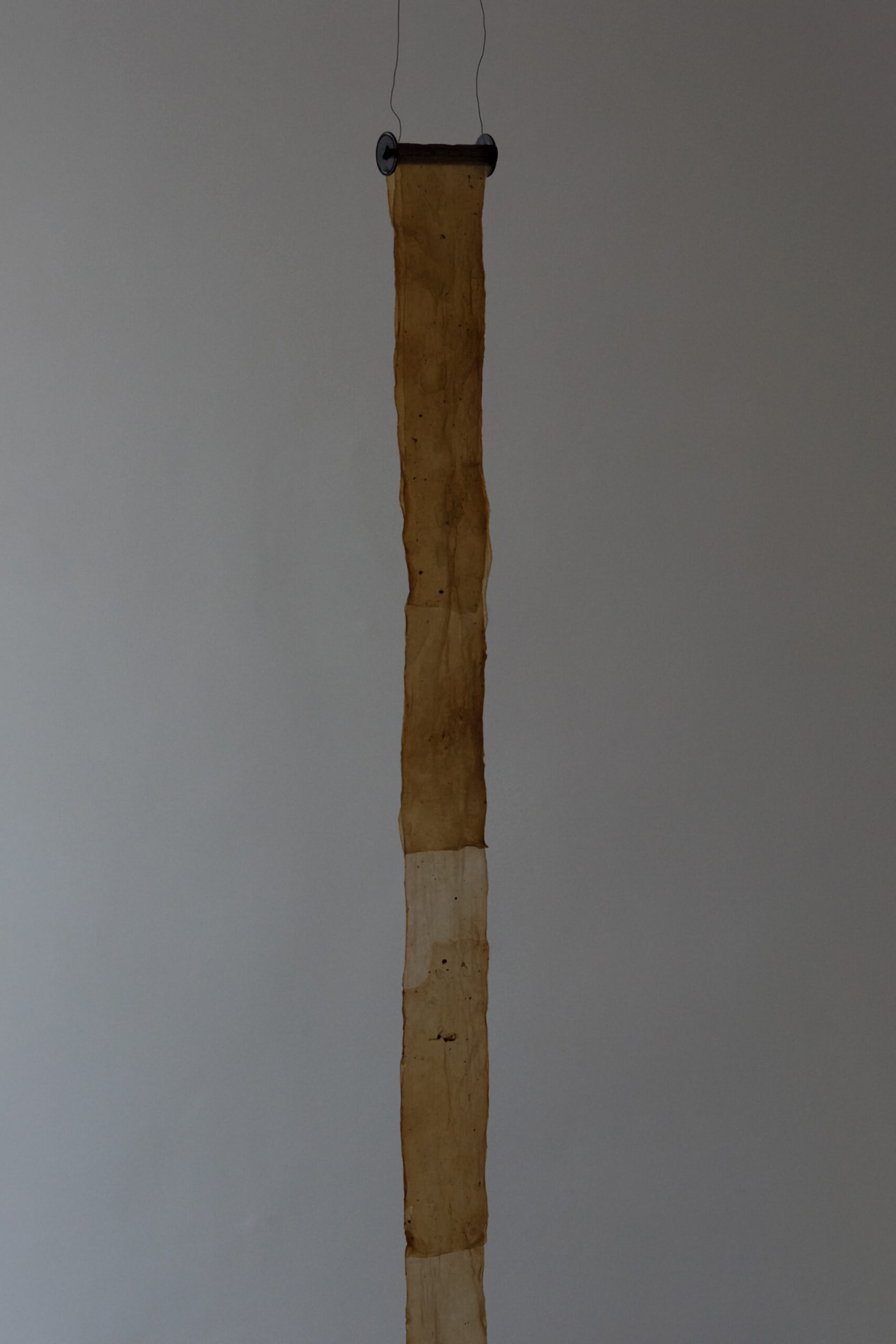
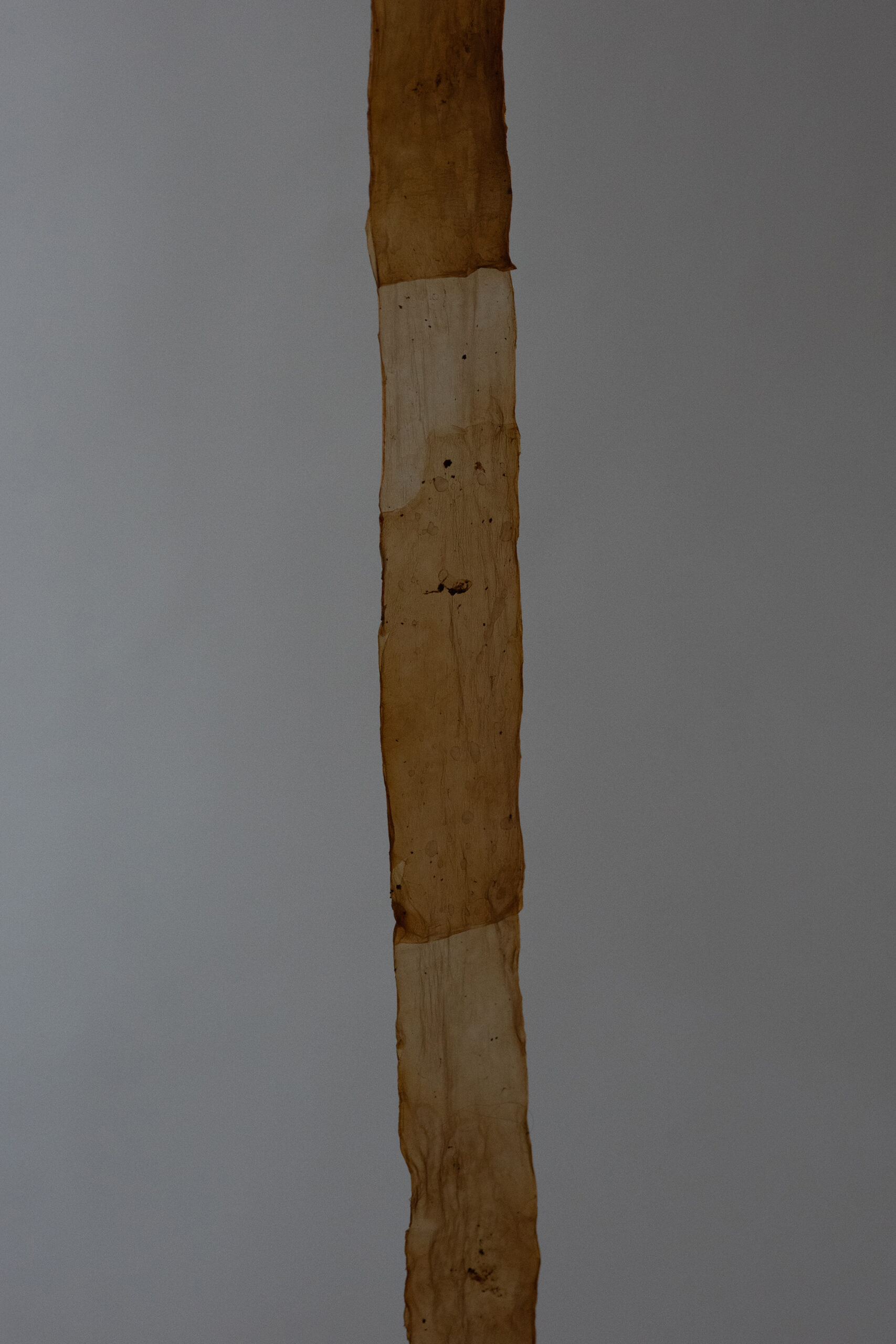
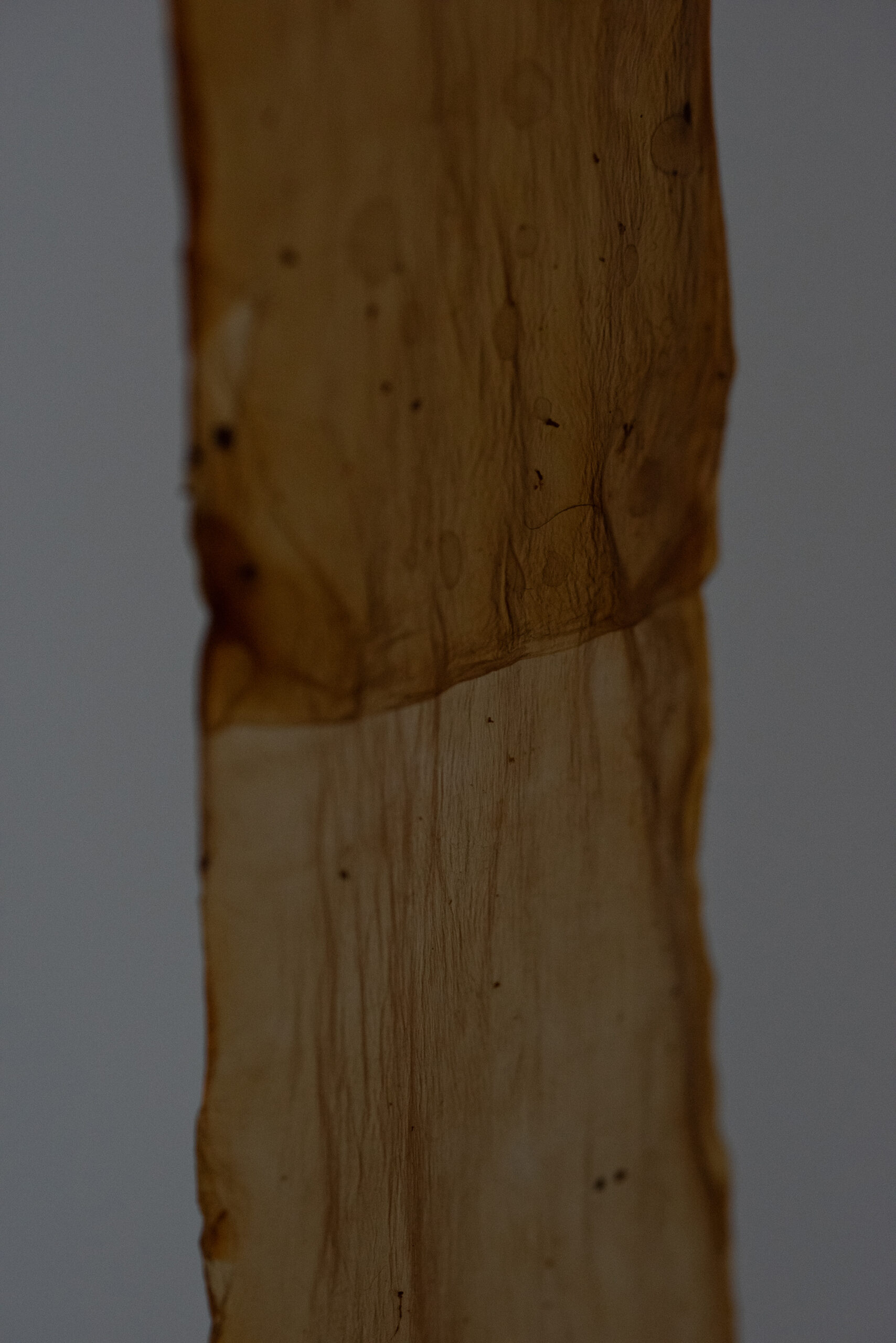
What is image-making when the human is no longer its necessary agent? The orchid suggests the image is not first of all a representation but a proposition addressed to another body, an operation within relation rather than a document secured in advance. When photographic materials are suspended, withheld from the function they were designed to serve, something similar becomes perceptible: not freedom from apparatus, but a loosening of the command that ordinarily organises their response.
Becoming
Philosophers Gilles Deleuze and Félix Guattari’s concept of Body without Organs (BwO) offers a way to think about what happens when a system is held in suspension. The BwO is not a matter of removing organs but of freeing a body from fixed functional assignments, from the organisation that predetermines what it can do.² Photography has its own organs: image, caption, archive, distribution. A body organised around the production of legibility, around the power to name, circulate, preserve, and equally to exclude. That entanglement with imperial violence, as photography theorist Ariella Azoulay has shown, is not incidental to photography but built into its structure.³
Deleuze and Guattari compare the BwO to an egg and describe it as a zone traversed by gradients and thresholds, where things can happen that the organism would not have permitted. When photographic materials are held in suspension, something analogous occurs. Chemistry continues to act, but no longer in full obedience to the demand for resolution, capture, and archival legibility. What remains is not the absence of an image but the persistence of a condition in which the image stays possible without becoming fully actualised, in which materials continue to respond to the world without being directed toward its capture. The photograph was never only a human production. It was always a collaboration with substances that have their own inclinations, their own ways of receiving and responding. Holding that in suspension makes it visible.
In A Thousand Plateaus, becoming is not imitation or resemblance but entering into composition with. The orchid does not imitate the bee. What takes place between them is a zone of proximity that belongs to neither and transforms both. Deleuze and Guattari raise a question: who is this we that is not me?⁴ This names a condition in which agency cannot be cleanly assigned in advance, though neither can responsibility disappear into a generalised entanglement. This is one place where the orchid and the undeveloped film can be brought into proximity: both are sites that troubles the fantasy of the human as the sole organising center of image-making.
Opacity
Philosopher and poet Édouard Glissant’s concept of opacity names the right to exist without being reduced to Western legibility, where irreducible difference becomes the basis for relation rather than its obstacle.⁵ Photography’s apparatus was built within and for a project of transparency, of classifying and making available what is encountered. The colonial history of the portrait, the archive, the typology is not separable from the history of the medium itself. When that apparatus is suspended, materials do not become transparent in some other way. They remain porous to encounter without becoming legible. They hold contamination, exposure, and decay as ongoing conditions rather than as problems to be resolved. The analogy between Glissant’s political formulation and these material conditions cannot be resolved, and should not be. The analogy would be too convenient, and convenience is precisely what opacity resists.
There is no practice of photography after its representational function. There is no after. Photography’s apparatus and the epistemological violence it carries do not dissolve because the film remains undeveloped, because the image is withheld, because the archive is refused. The question is what it means to stay within a medium whose history is inseparable from extraction, attending to what its materials do when they are no longer made to serve that function, without imagining that attending is the same as undoing. Something continues to happen at the threshold. It can be attended but not fully articulated. It remains, for now, a question held open by the unrealised materials themselves.
Notes
¹ Carla Hustak and Natasha Myers, ‘Involutionary Momentum: Affective Ecologies and the Sciences of Plant/Insect Encounters’, cited in Donna J. Haraway, Staying with the Trouble: Making Kin in the Chthulucene (Durham, NC: Duke University Press, 2016), p. 68.
² Gilles Deleuze and Félix Guattari, Anti-Oedipus: Capitalism and Schizophrenia, trans. Robert Hurley, Mark Seem and Helen R. Lane (Minneapolis: University of Minnesota Press, 1983), p. 9.
³ Ariella Azoulay, Potential History: Unlearning Imperialism (London: Verso, 2019), p 2-3.
⁴ Gilles Deleuze and Félix Guattari, A Thousand Plateaus: Capitalism and Schizophrenia, trans. Brian Massumi (Minneapolis: University of Minnesota Press, 1987), p. 159.
⁵ Édouard Glissant, Poetics of Relation, trans. Betsy Wing (Ann Arbor: University of Michigan Press, 1997), p. 191.